Dental hygiene: tips & advice, and how to use an electric toothbrush
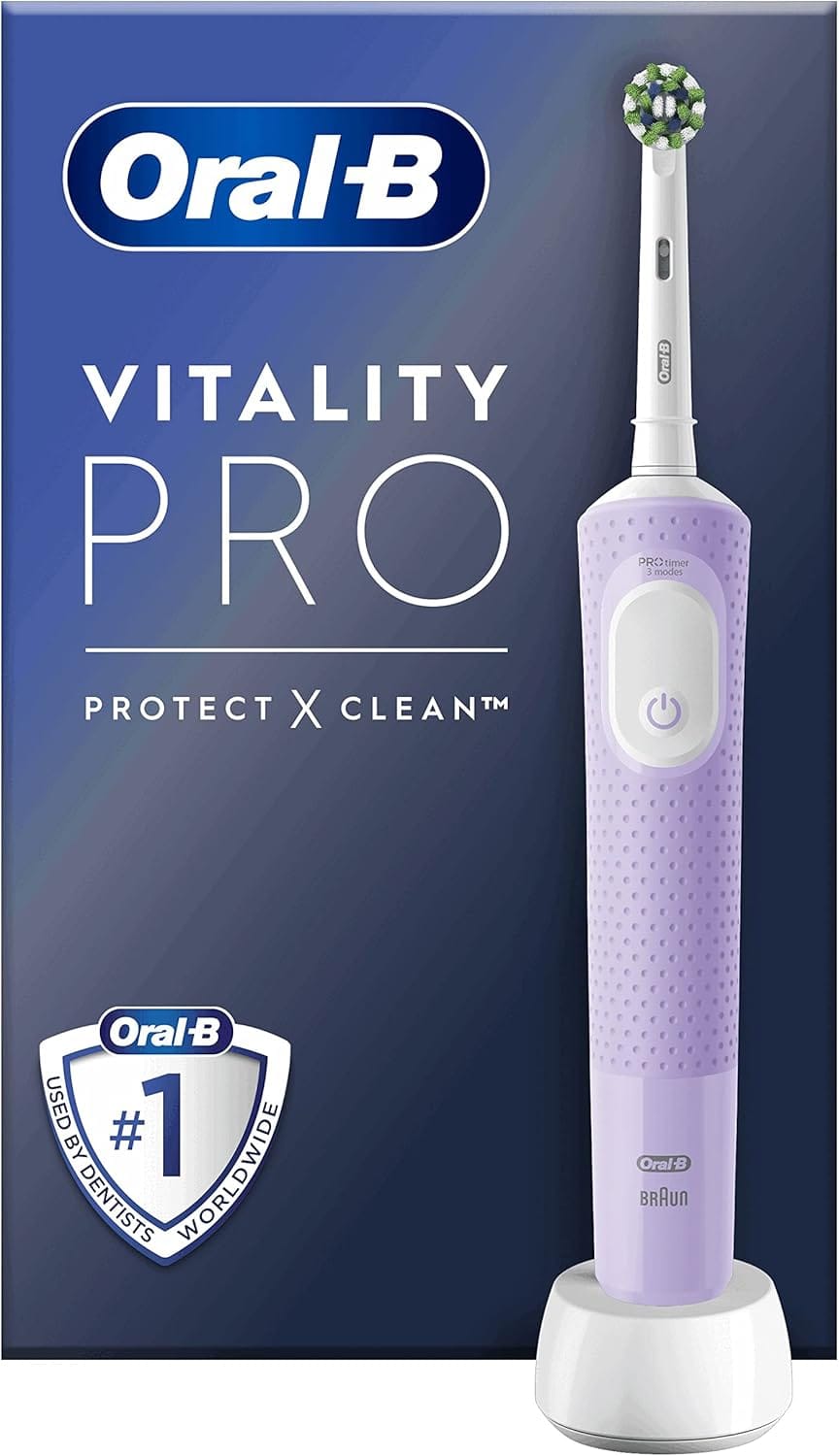
A straight‑to‑the‑point guide to daily care: a 2‑minute quadrant routine, simple technique, common pitfalls, and add‑ons that truly help. With quick access to a proven brush and its meta‑review.
Why an electric toothbrush makes good hygiene easier
Used well, an electric brush keeps even pressure, paces your time, and cleans tooth by tooth without over‑scrubbing. Result: consistent routine and less room for error.
Quick guide: what truly moves the needle
1) Simple technique
- Place the head at the gum‑tooth junction.
- Don’t “scrub”: let the head do the work.
- Move tooth by tooth (outer, chewing, inner surfaces).
2) Gentle pressure
Too much force can reduce cleaning and irritate gums. Keep light, steady pressure.
3) Right brush head
Soft or “sensitive” for delicate gums; standard for general use. Replace every 3 months or earlier if splayed.
4) Toothpaste & amount
Pea‑sized is enough. If it feels strong, start with a small dab and spread the foam halfway through.
5) Fixed order
Same routine every time: prevents “forgotten zones” and builds habit. Use the brush timer or your phone.
6) Interdental cleaning
Floss or interdental brushes once a day (night). It’s the add‑on with the biggest long‑term impact.
2‑minute routine by quadrants (30 s × 4)
A fool‑proof rule: 30 seconds per quadrant. Always start in the same place.
| Quadrant | Path | Key points |
|---|---|---|
| Upper right | Outer → chewing → inner | Half the bristle on gum, half on tooth; move tooth by tooth. |
| Upper left | Outer → chewing → inner | Slow movement; avoid “painting” side to side. |
| Lower left | Outer → chewing → inner | Lift the lip slightly to access inner faces. |
| Lower right | Outer → chewing → inner | If there’s too much foam, spit without rinsing to keep fluoride on teeth. |
Common mistakes (and how to fix them)
- Scrubbing as with a manual brush. Fix: place, wait 1–2 s per tooth, then move on.
- Forgetting inner faces and the gum line. Fix: follow the quadrant order and always touch the gum‑tooth junction.
- Too much pressure. Fix: hold the handle “like a pencil.” If the sound changes, you’re pressing too hard.
- Strong rinse at the end. Fix: spit and leave a thin film of paste to keep fluoride on teeth.
- Not replacing the head. Fix: set a 3‑month reminder or change when bristles flare.
Add‑ons that truly help
Interdental or floss
Pick a size that slides and fits without force. One gentle pass a day prevents plaque build‑up between teeth.
Tongue scraper
Two strokes from back to front after brushing. Helps with breath and removes biofilm.
Mouthwash
Use it if it adds comfort. If you feel dry mouth, go alcohol‑free. It does not replace brushing.
Travel case + charging
On trips, keep the head ventilated and clean. Avoid storing it wet.
Who benefits most from an electric brush?
- Anyone wanting to automate the routine (timer and steady pace).
- Sensitive gums: soft heads and controlled pressure help avoid overdoing it.
- Orthodontics and hard‑to‑reach areas: tooth‑by‑tooth work shines here.
- Busy people: timed 2 minutes beat “three minutes by feel.”
FAQ
How often should I brush?
Twice a day. After acidic or very sweet foods, wait 20–30 minutes before brushing.
My gums bleed at first — is that normal?
It can happen if plaque was built up. Ease pressure, care for the gum line, and be consistent. If it persists, see your dentist.
Floss before or after brushing?
Whichever order helps you stick to it. Many prefer floss → brush so fluoride reaches between teeth.
Ready to smile without overthinking it
With a simple technique and a timed 2‑minute routine, keeping your mouth healthy is easier than it seems. Start today, save this guide, and try the routine tonight.